
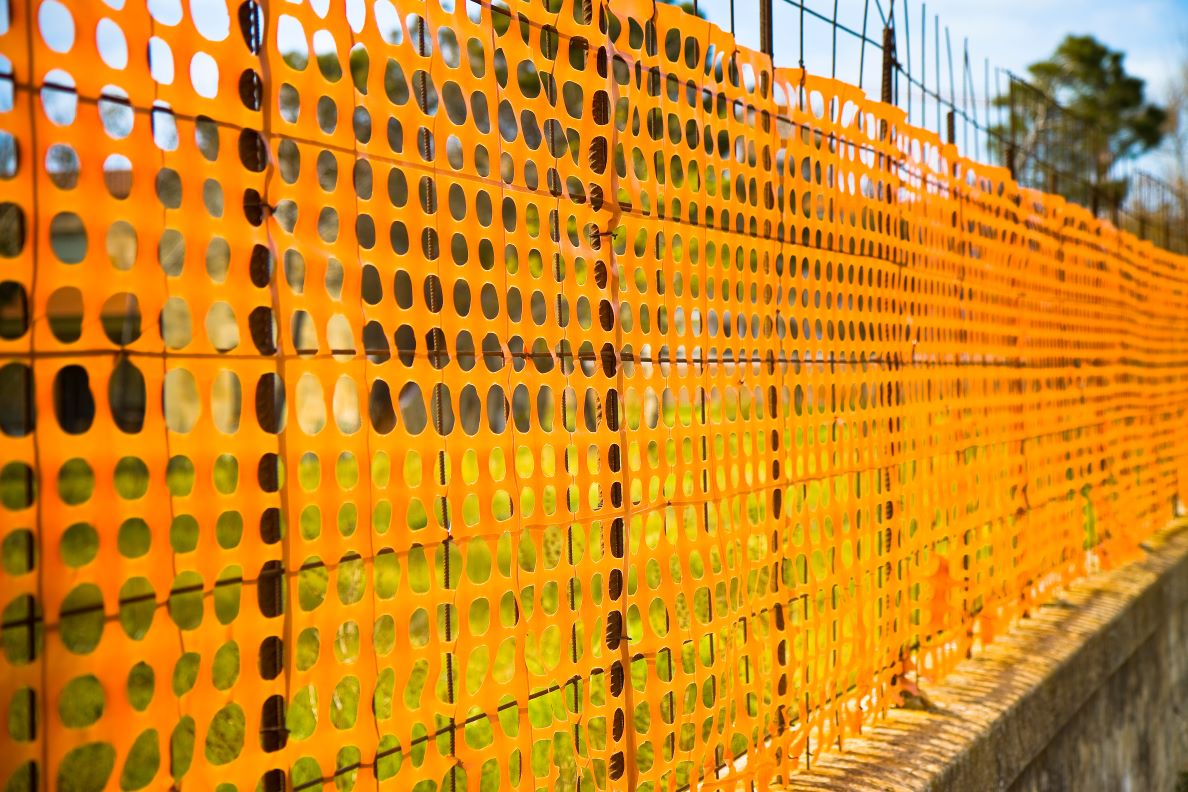
Building in the Colorado Rockies is not for the faint of heart. At nearly 10,000 feet, the elements do more than just make the workday uncomfortable—they actively challenge the structural integrity and safety of every job site. When you’re managing a project in Summit County, weather-resistant temporary fencing in Colorado is not just a line item on a budget; it’s a critical defensive measure against some of the most punishing climate conditions in North America.
Alpine construction demands a specialized playbook. Unlike suburban projects at lower elevations, mountain builds face extreme snow loads, fierce winds that can topple standard barriers, and dramatic temperature swings that make materials brittle. Understanding why specialized, weather-hardened solutions are necessary is the first step toward a successful, incident-free build season.
The Alpine Challenge: Wind, Snow, and Sub-Zero Temperatures
In Breckenridge and the surrounding Central Rockies, the weather doesn’t just happen—it dominates. A single winter storm can dump feet of heavy, concrete-like snow, while gusts ripping over the peaks can reach hurricane force. Standard temporary fencing often fails in these conditions because it acts like a sail, catching the wind until the stands tip or the panels buckle.
Why Weather-Resistant Temporary Fencing in Colorado is the Industry Standard
For mountain contractors, the choice of equipment determines whether a site stays secure or becomes a liability. High-quality weather-resistant temporary fencing in Colorado is engineered to handle these specific stressors. Instead of lightweight materials that might suffice in a milder climate, mountain-ready fencing utilizes heavy-duty galvanized steel.
Galvanization is the process of coating steel with a protective layer of zinc, which is vital in an environment where moisture from melting snow and ice is constant. Without this treatment, the freeze-thaw cycles would quickly lead to oxidation and rust, weakening the structural integrity of the panels. Furthermore, the stabilization systems used at high altitudes must be more robust. At Strategic Fence, we prioritize terrain adaptability, ensuring that our panels stand firm even on the uneven, rocky slopes common in the Rockies.
The Critical Role of Security and Safety in High-Altitude Zones
Enhancing Site Safety with Weather-Resistant Temporary Fencing in Colorado
Safety at an alpine construction site is a multi-layered responsibility. Not only must you protect your crew, but you must also safeguard the public from the unique hazards of a mountain build. Deep excavations for foundations—often involving blasting through bedrock—create significant fall risks. According to OSHA safety guidelines, any unprotected edge or hole 6 feet or more above a lower level requires a guardrail, fence, or barricade to prevent falls.
In a mountain environment, a flimsy barrier is often worse than no barrier at all, as it provides a false sense of security before being blown away by a midnight gust. Investing in weather-resistant temporary fencing in Colorado ensures that your safety perimeter remains intact throughout the duration of the project, regardless of whether a blizzard is howling through the site.
Protecting High-Value Assets from Theft and Vandalism
Construction materials in the mountains are expensive, and the logistics of getting them to a remote site are complex. Whether it’s cold-weather rated shingles, specialized metal roofing, or custom timber, these assets are prime targets for theft. Because mountain construction seasons are compressed—often limited to the window between May and October—any loss of materials can lead to catastrophic delays.
A professional-grade fence serves as a powerful visual and physical deterrent. When combined with integrated privacy or dust screening, it blocks prying eyes and makes it much more difficult for unauthorized individuals to survey your inventory. This is particularly important for high-profile residential builds in resort areas where discretion and security are paramount.
Material Science: Why Alpine Conditions Demand Better Barriers
Not all fencing materials are created equal when the mercury drops below zero. Many plastics and low-grade metals become brittle in extreme cold, leading to cracks and structural failure under the weight of accumulated snow.
- Galvanized Steel: The gold standard for mountain sites. It offers the tensile strength needed to support snow loads and the corrosion resistance to survive constant moisture.
- Wind-Permeable Design: While privacy screens are useful, they must be installed on heavy-duty panels that can handle the increased wind load, or used strategically to allow some air passage to prevent the sail effect.
- Stability on Rocky Terrain: Mountain sites are rarely flat. Strategic Fence utilizes anchoring systems designed for the rocky, uneven soil of Eagle and Summit Counties, ensuring the fence doesn’t lean or collapse as the ground shifts during the spring thaw.
Adapting to the Short Season
In the Rockies, construction is a race against time. The moment the snow clears and the ground thaws, contractors are in a sprint to finish foundations, structures, and roofing before the fall snow returns. In this environment, you can’t afford to spend days repairing a fence that collapsed during a spring storm. Using weather-resistant temporary fencing in Colorado means you spend less time on site maintenance and more time on the build.
Logistical Expertise and Local Knowledge
Choosing a local partner like Strategic Fence means working with a team that understands the Breckenridge factor. We know that a fence in the Valley behaves differently than a fence on a ridgeline. We account for:
- High-Altitude Wind Loads: We calculate the necessary stabilization for your specific site orientation.
- Access Challenges: Our crews are experienced in navigating narrow, winding mountain roads to ensure rapid deployment and removal.
- Local Compliance: We help ensure your site meets both OSHA standards and local Summit County building codes, which are often more stringent due to the environmental risks.
| Feature | Standard Temporary Fencing | Weather-Resistant (Strategic Fence) |
| Material | Lightweight untreated steel | Heavy-duty galvanized steel |
| Wind Resistance | Low; prone to tipping | High; specialized anchoring |
| Cold Performance | Can become brittle | Rated for sub-zero temperatures |
| Longevity | Single season (rusts easily) | Multi-season durability |
The Strategic Advantage for Your Next Mountain Project
Ultimately, the goal of any construction manager is to bring a project in on time and under budget while maintaining a perfect safety record. In the harsh environment of the Colorado High Country, the perimeter of your site is your first line of defense. By prioritizing weather-resistant temporary fencing in Colorado, you’re making a proactive investment in risk management.
Don’t let a temporary solution become a permanent headache. Whether you’re breaking ground on a luxury custom home in Breckenridge or managing a large-scale municipal project in Frisco, the reliability of your fencing is the foundation of your site’s security.
Secure Your Site Today
Ready to protect your alpine project with a barrier that won’t back down from a blizzard? Strategic Fence provides the heavy-duty, mountain-tested solutions you need to keep your crew safe and your materials secure.
Contact Strategic Fence today for a free estimate on your weather-resistant temporary fencing needs and ensure your Colorado project stays on track, no matter what the mountain throws at it.