
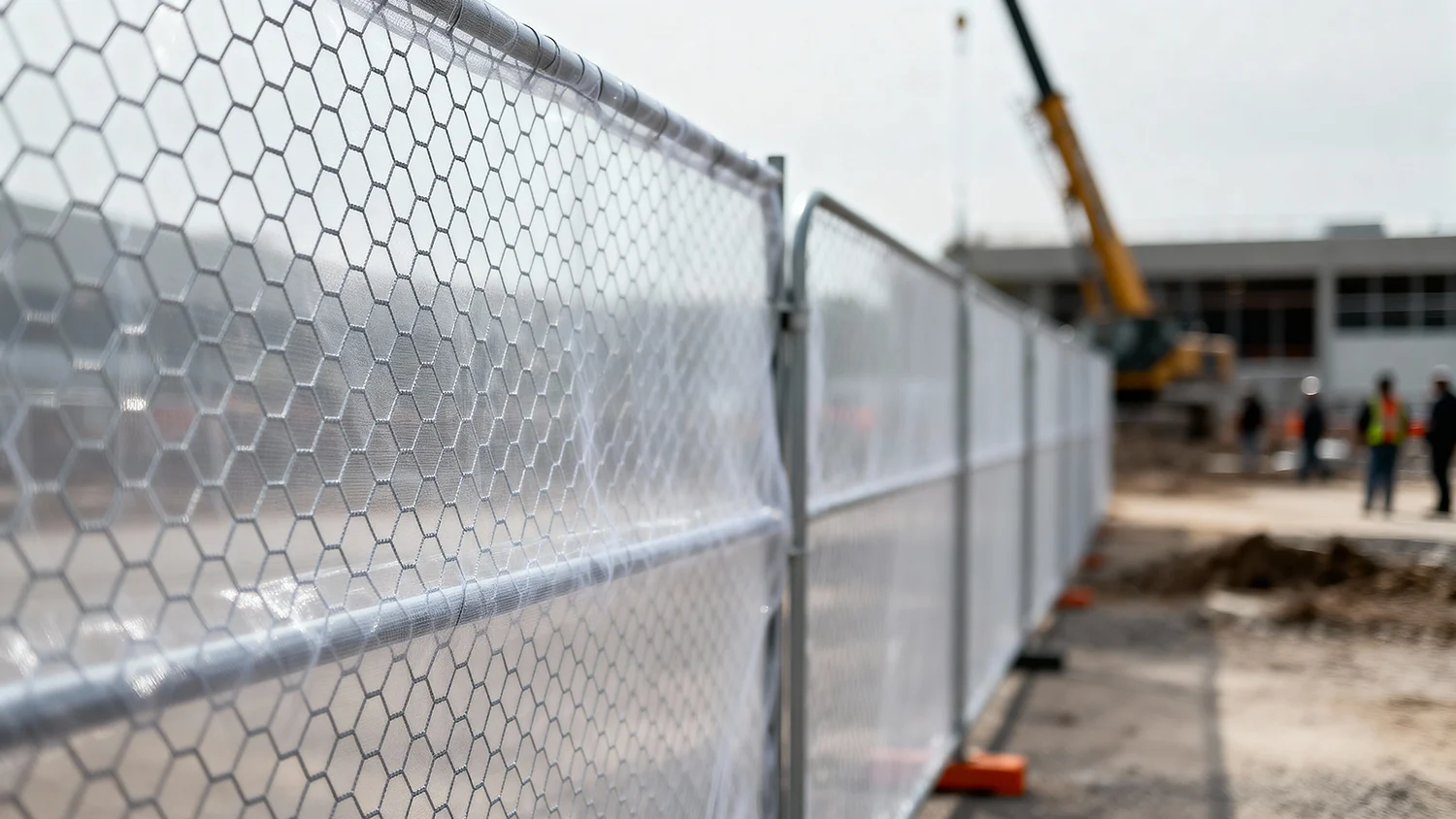
Whether you’re breaking ground on a new high-rise in the Highlands or organizing a massive summer festival at Civic Center Park, managing the perimeter is a top priority. However, before the first panel is dropped, understanding the specific legal landscape of Denver temporary fencing is essential for staying compliant and avoiding costly delays. In the Mile High City, regulations for temporary barriers are governed by a mix of zoning codes, building safety standards, and specific department guidelines that differ significantly from permanent residential fencing.
At Strategic Fence, we specialize in providing mountain-ready and city-compliant solutions. While we are based in Breckenridge, our teams frequently serve the Denver metro area, helping developers and event planners navigate the complexities of local ordinances. This guide breaks down everything you need to know about temporary fencing in Denver to ensure your project or event remains secure and within the law.
Why Regulations Matter for Your Project
In Denver, fencing is more than just a physical barrier; it is a public safety tool. The City and County of Denver (CCD) implements these rules to ensure that:
- Pedestrians are protected from construction hazards like falling debris.
- Sightlines remain clear for drivers at busy intersections.
- Emergency services (Fire and Police) have unobstructed access points.
- Aesthetics are maintained, especially in historic districts.
Failure to follow these guidelines can result in Stop Work orders or hefty fines—logistical nightmares that can blow a project’s timeline and budget.
Construction Site Temporary Fencing: The Development Standard
For development projects, high-quality Denver temporary fencing acts as the primary defense against unauthorized access. According to Denver’s Community Planning and Development department, construction fencing standards are strict.
Height and Placement Standards
Typically, construction sites require a minimum fence height of 6 feet to deter climbing. However, placement is the most critical factor for legal compliance.
- The 6-Inch Rule: All fences must generally be set back at least 6 inches from any public sidewalk or property line.
- Public Right-of-Way: You cannot place temporary fencing on a sidewalk or in a tree lawn without a specific encumbrance permit from the Department of Transportation and Infrastructure (DOTI).
- Sight Triangles: On corner lots, fencing cannot exceed a certain height—usually 30 to 42 inches—within the visibility triangle to ensure drivers can see oncoming traffic.
Material Requirements and Wind Safety
Denver codes emphasize durability. Fencing must withstand Colorado’s notorious wind gusts. If you add privacy screening, you must ensure the fence is properly weighted or anchored. Adding mesh turns your fence into a sail. Without proper bracing, it becomes a major public safety hazard.
Public Events and Crowd Control Barriers
Organizing a public event involves the Office of Special Events (OSE) and the Denver Fire Department to ensure your layout is safe for thousands of attendees.
Fire Department Access and Egress
The Denver Fire Department requires that all temporary fencing for events be clearly marked on a submitted site plan.
- Exit Widths: Fencing must not obstruct required exit widths. If your fence creates a bottleneck, you won’t pass inspection.
- Emergency Access: A minimum 20-foot-wide clear path must be maintained for emergency vehicle access if the event involves street closures.
- Liquor Enclosures: If your event includes a liquor garden, you may need specific double-fencing to prevent the passing of alcohol over the perimeter.
Pedestrian Flow and ADA Compliance
The OSE is strict about maintaining ADA (Americans with Disabilities Act) accessibility. Temporary fencing must not narrow a public sidewalk to less than the required width for wheelchair passage (usually 5 feet). Furthermore, the feet or braces of the fence panels must be low-profile to avoid becoming a tripping hazard.
Navigating the Permit Process for Temporary Fencing in Denver
One of the most common questions we hear is: “Do I actually need a separate permit for a temporary fence?”
In many cases, the fence falls under the umbrella of your primary Building Permit or Special Event Permit. However, there are red flag scenarios where a separate Denver temporary fencing review is required:
- Historic Districts: If your project is in a designated Denver Landmark district (like LoDo), any change to the streetscape may require a quick review by Landmark Preservation staff.
- Parkways: Denver has a beautiful system of designated parkways (like 17th Avenue). Fencing along these routes has stricter aesthetic and setback rules.
- Duration: If a temporary fence is intended to stay up for more than a year, the city may begin to view it as a permanent structure, requiring a standard Zoning Permit.
For more information on specific zoning codes, you can visit the Denver Government Community Planning and Development website.
Pro Tips for a Compliant Installation
- Call 811: If you’re driving T-posts or anchoring into the ground, you must have utility lines marked.
- Wind Loading: Use sandbags or specialized heavy-duty steel feet for your panels, especially if using privacy mesh.
- Maintenance: A sagging or leaning fence is a liability. Perform weekly perimeter checks to ensure all clamps are tight and panels are upright.
How Strategic Fence Can Help
At Strategic Fence, we pride ourselves on being your tactical partners in site security. We provide high-quality, heavy-duty chain link panels, pedestrian barricades, and privacy screening that meet the rigorous demands of both the Colorado mountains and the Denver urban core.
We understand that time is money. We know the nuances of local requirements, ensuring that your Denver temporary fencing is set up correctly the first time, keeping you in the city’s good graces and keeping your site secure from liability.
Ready to Secure Your Site?
Don’t let a permit delay or a safety violation stall your progress. Whether you’re in the heart of Denver or up in the high country, our team is ready to provide the perimeter protection your project deserves.
Contact Strategic Fence today for a professional consultation and a free estimate on your next temporary fencing project!